DESCRIPTION
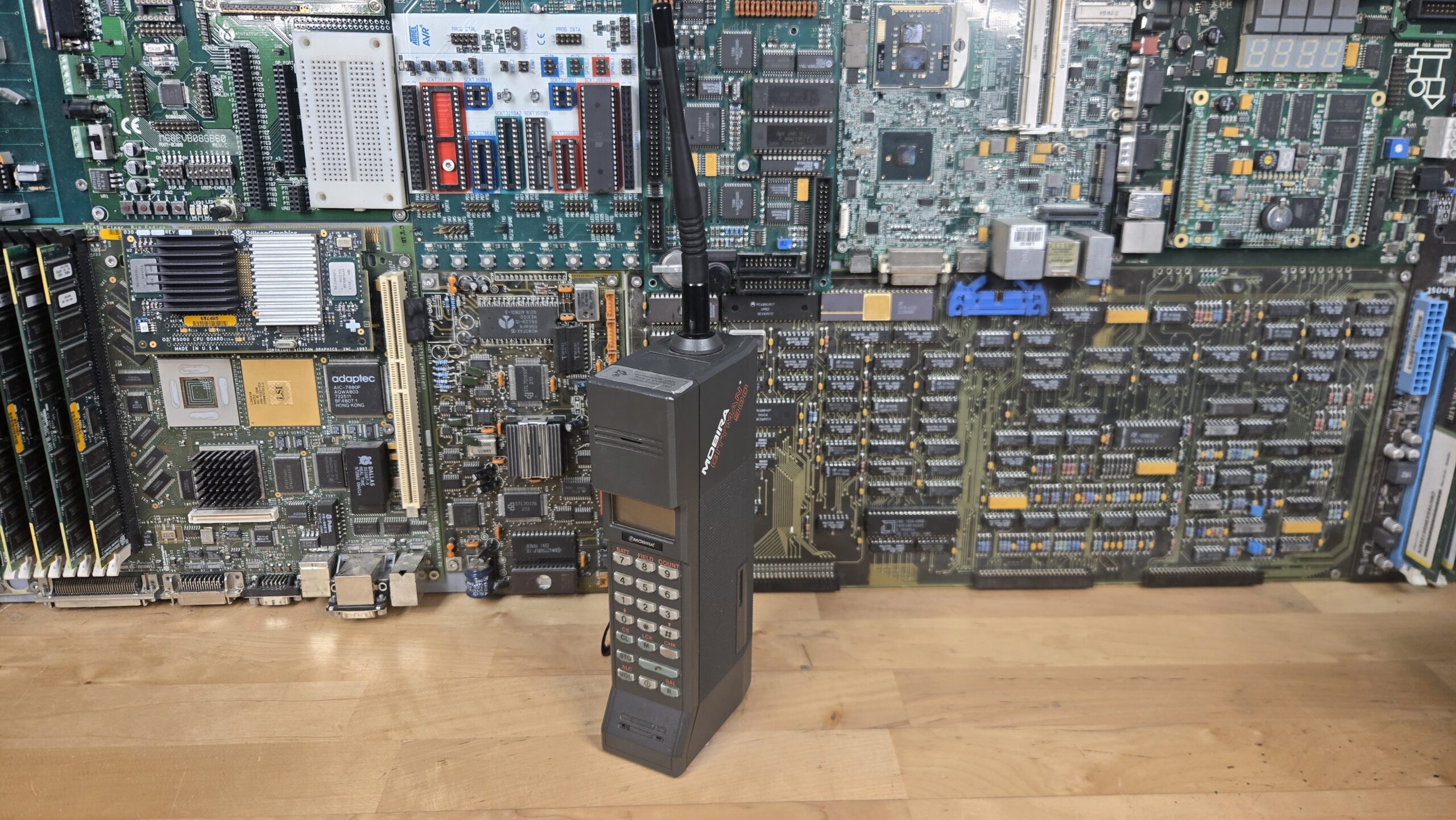
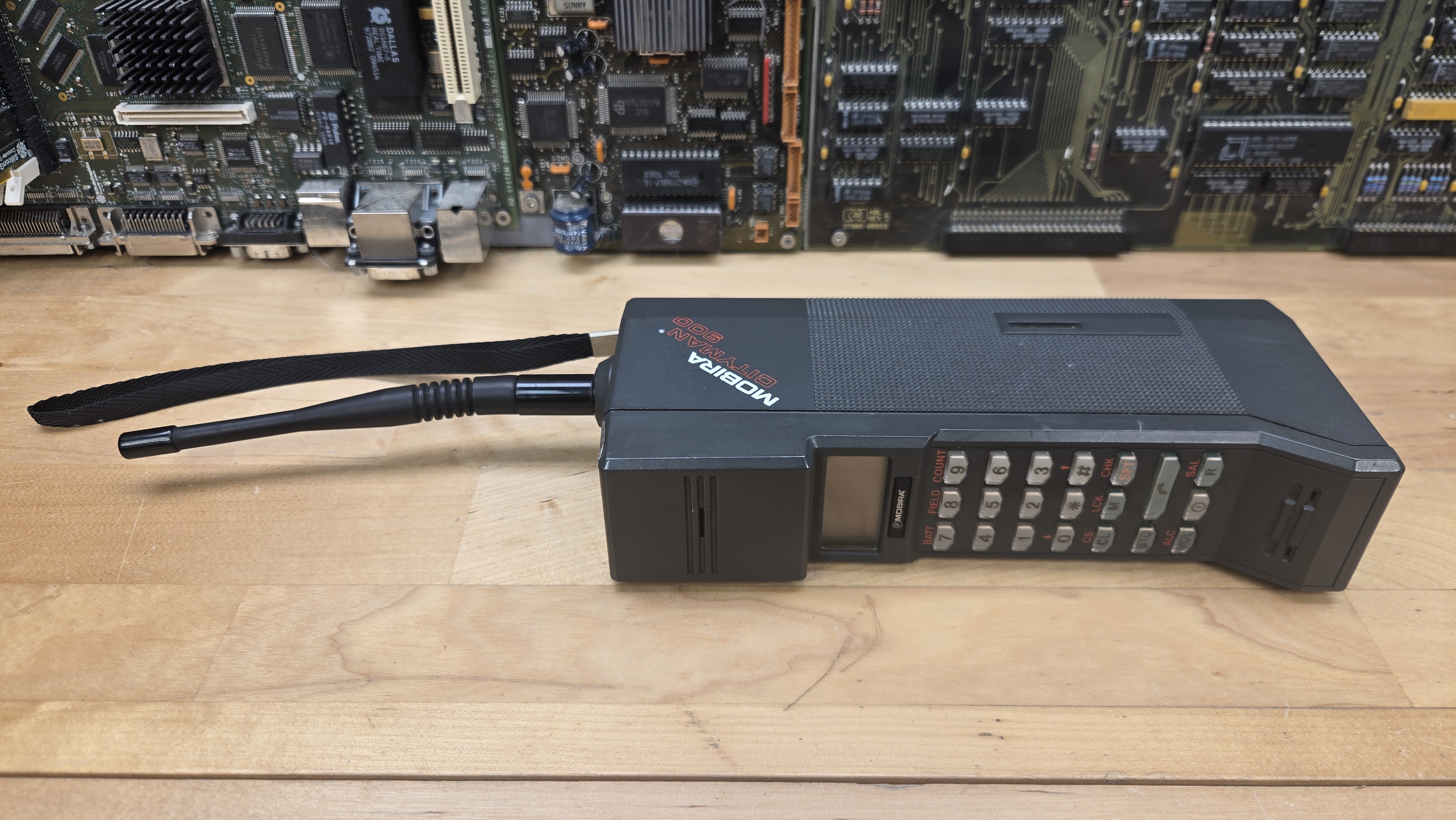
In 1979 Nokia and Salora established a joint venture, Mobira, which was involved in mobile radio telephone research and manufacturing. In 1981 Mobira launched the Nordic Mobile Telephone (NMT), known as 1G, a predecessor to the more well-known GSM 2G cellular net. Back then mobile phones were only mobile in the sense that they would be mounted in a moving vehicle, like the Mobira Talkman. It wasn’t something you would carry around in your hand. Not until the Mobira Cityman 900 came out in 1987. Since I’m born the same year I had never seen one being used in real life, but often seen it in commercials in old technology magazines.
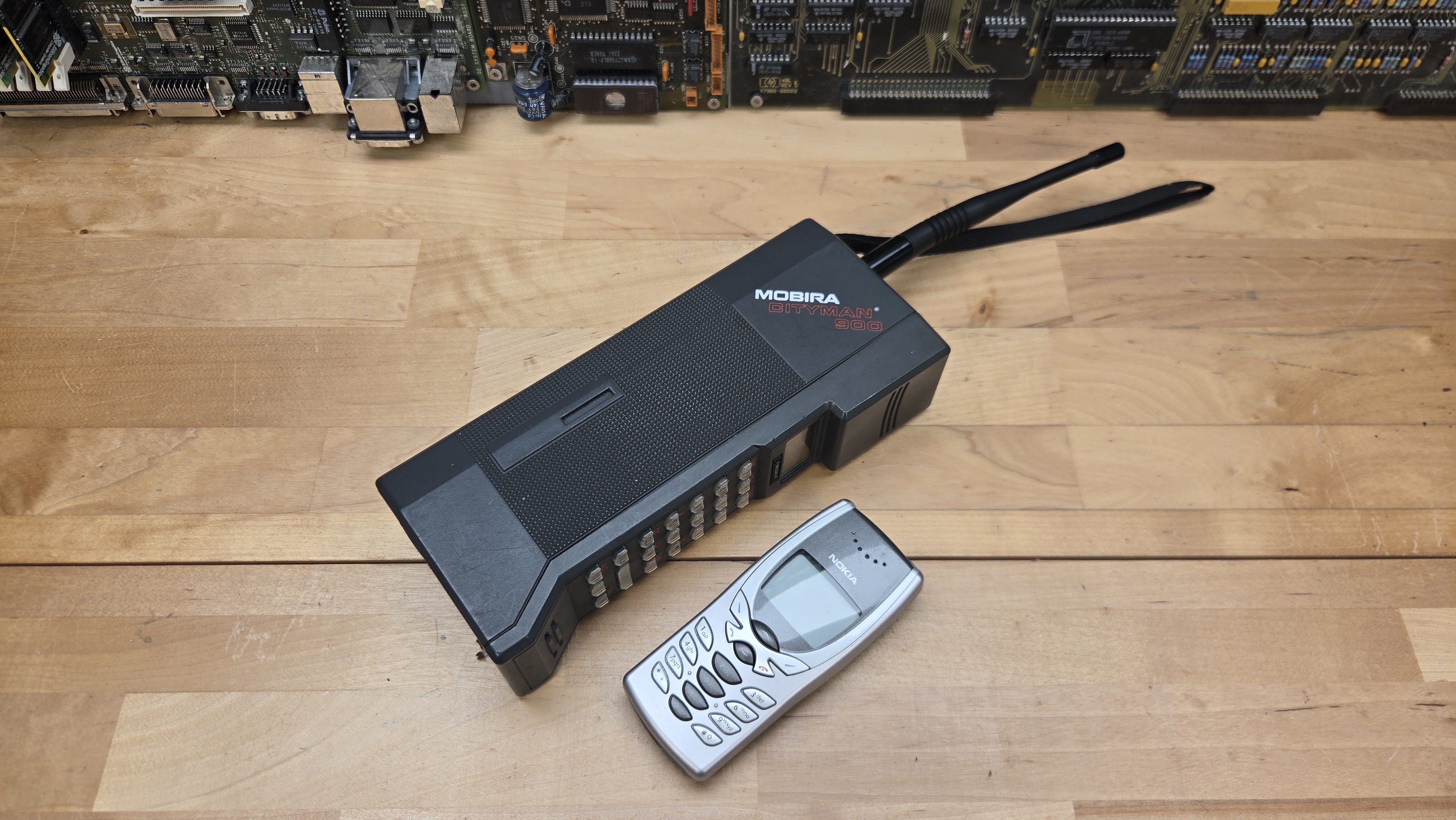
The Cityman was a huge leap in innovation weighting under a kilogram and being true handportable. In 1984 a Mobira Senator weighted 9.8 kg and the Mobira Talkman from 1985 weighted 4.8 kg. Both of them were meant for being installed in a vehicle, since battery was and ad on feature and they were hardly portable. The Cityman 900 would have 14 hours of standby time and up to 50 minutes of talk time.
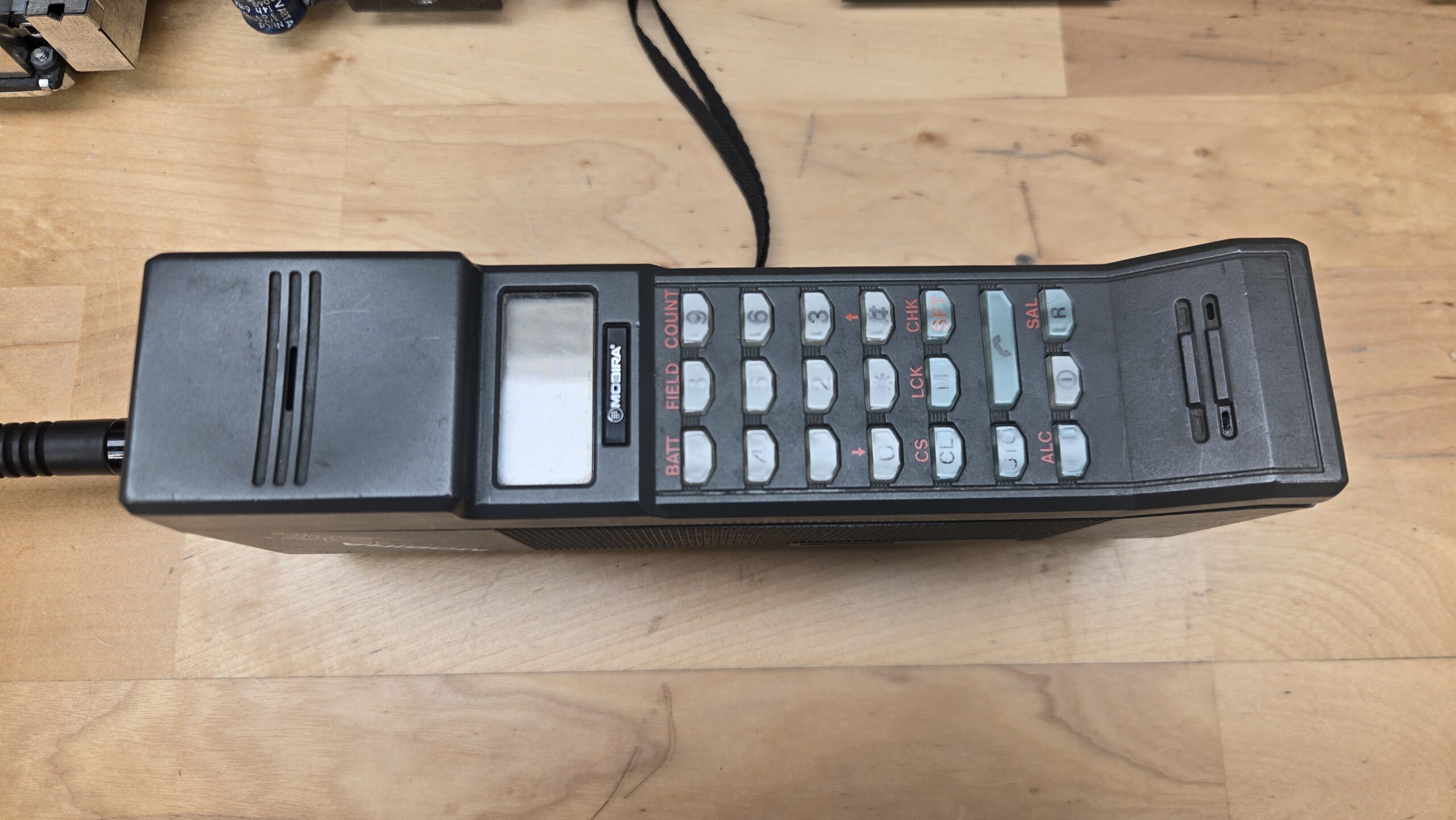
It included innovative features shown on the tiny LCD like duration of last call, last number redial, set the level of the ringtone, display its own number and the possibility of locking the keypad (however it’s very unlikely you can fit the phone in your pocket!).
At the time of launch $5,000 was considered very expensive and making it a high-end luxury product and it was primarily targeted for business professionals like the CEO that needed to get in contact with the company or for the stockbroker at Wall Street. The Cityman was initially a “yuppie” product and a status symbol of wealth and freedom but only a few years later the mobile phone started to gain more widespread success.
RELEVANCE
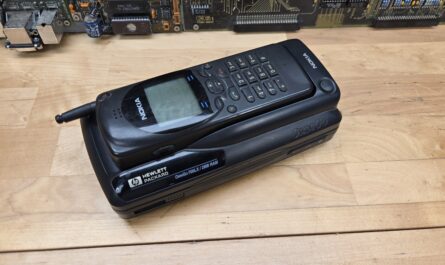
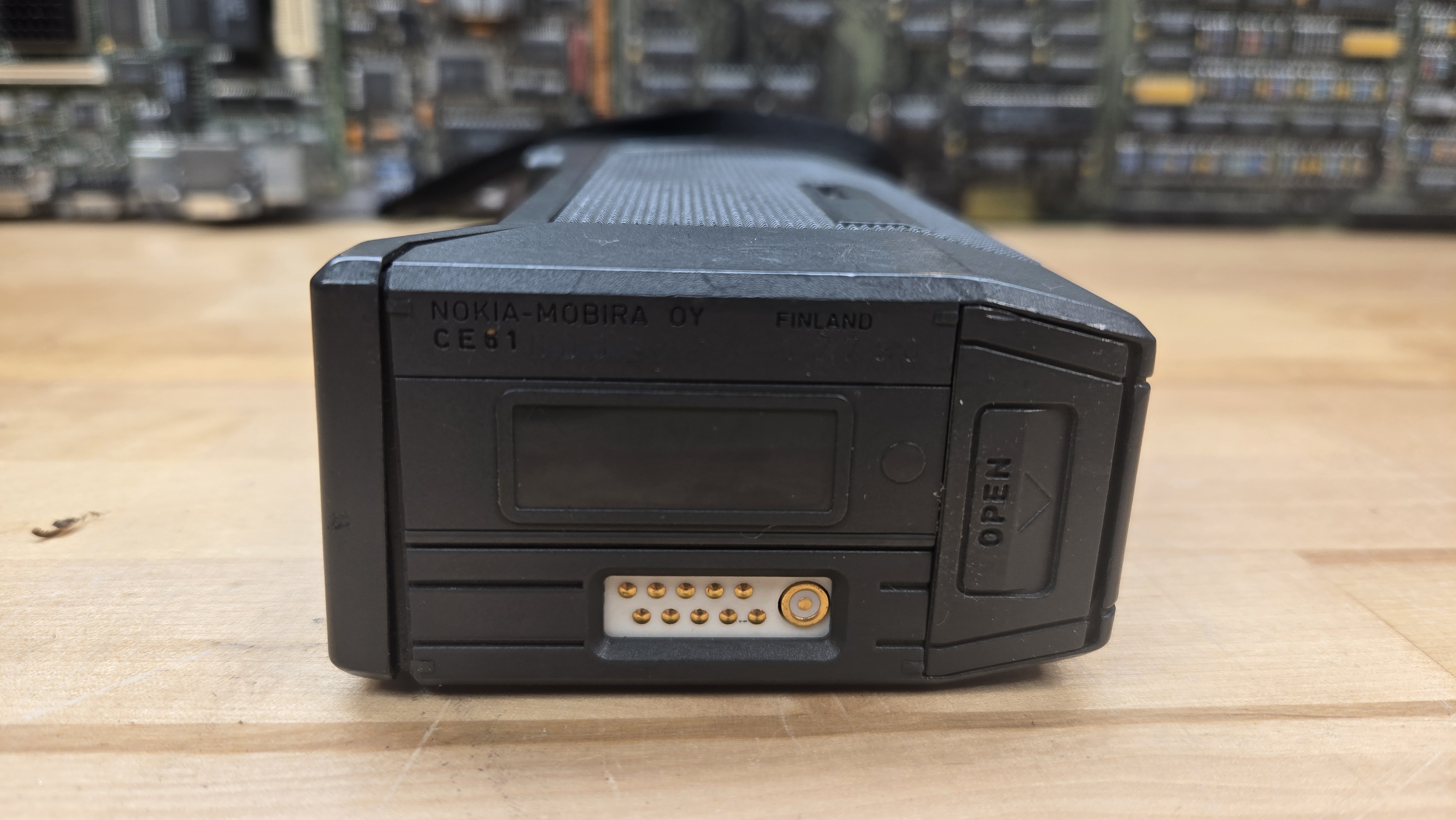
The Mobira Cityman 900 is acknowledge as some of the first true handheld cell phones that you could carry around. At the time of launch of the Cityman 900, Nokia had taken over Salora and renamed the telecommunication division to Nokia Mobira Oy. But the Nokia name is almost only a small site note at the bottom of the phone. Two years after launch, in 1989 the company was renamed Nokia Mobile Phones. That makes the Cityman 900 one of the very first Nokia mobile phones. Later models had the Nokia logo on the side instead of the Mobira.
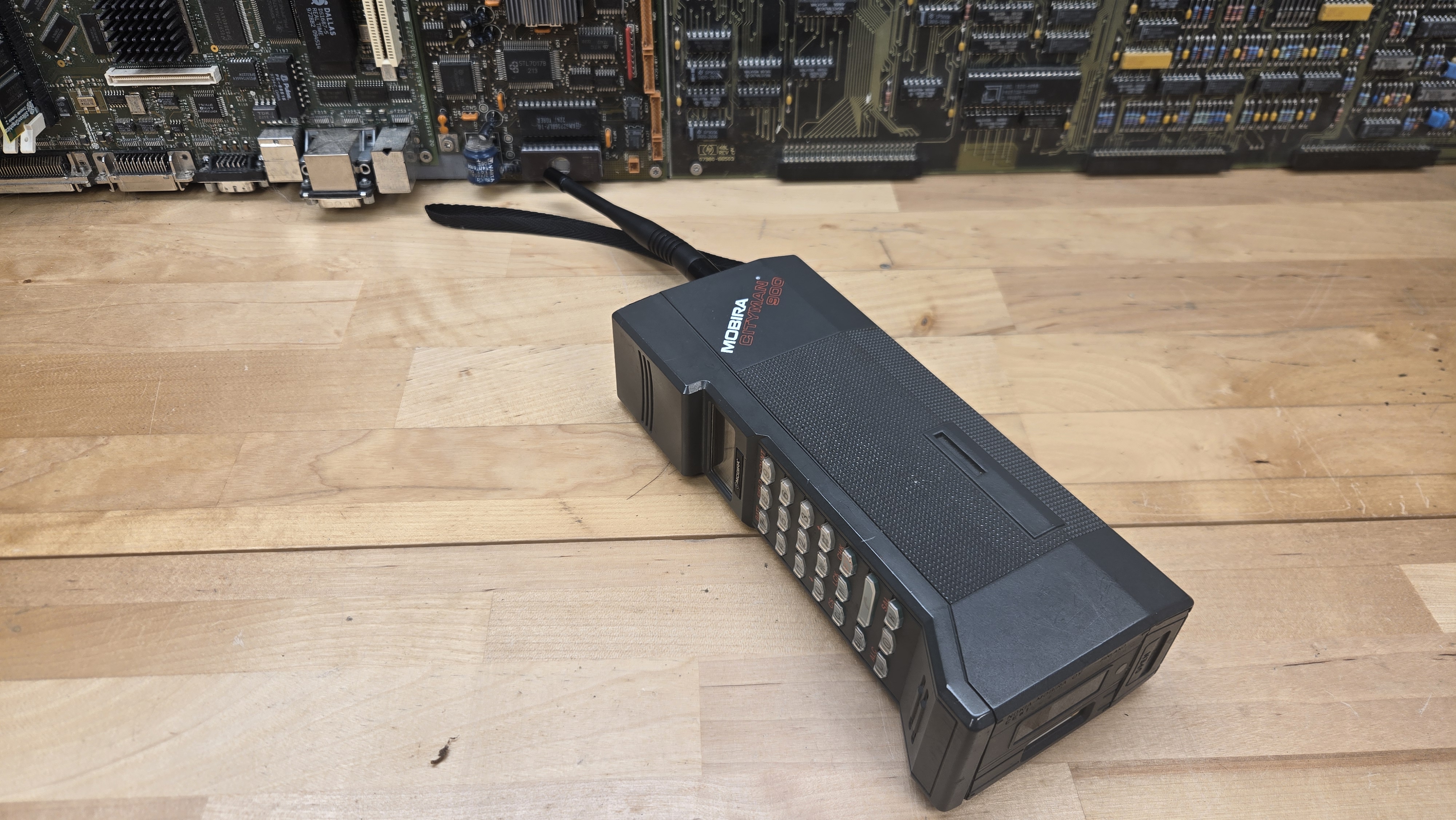
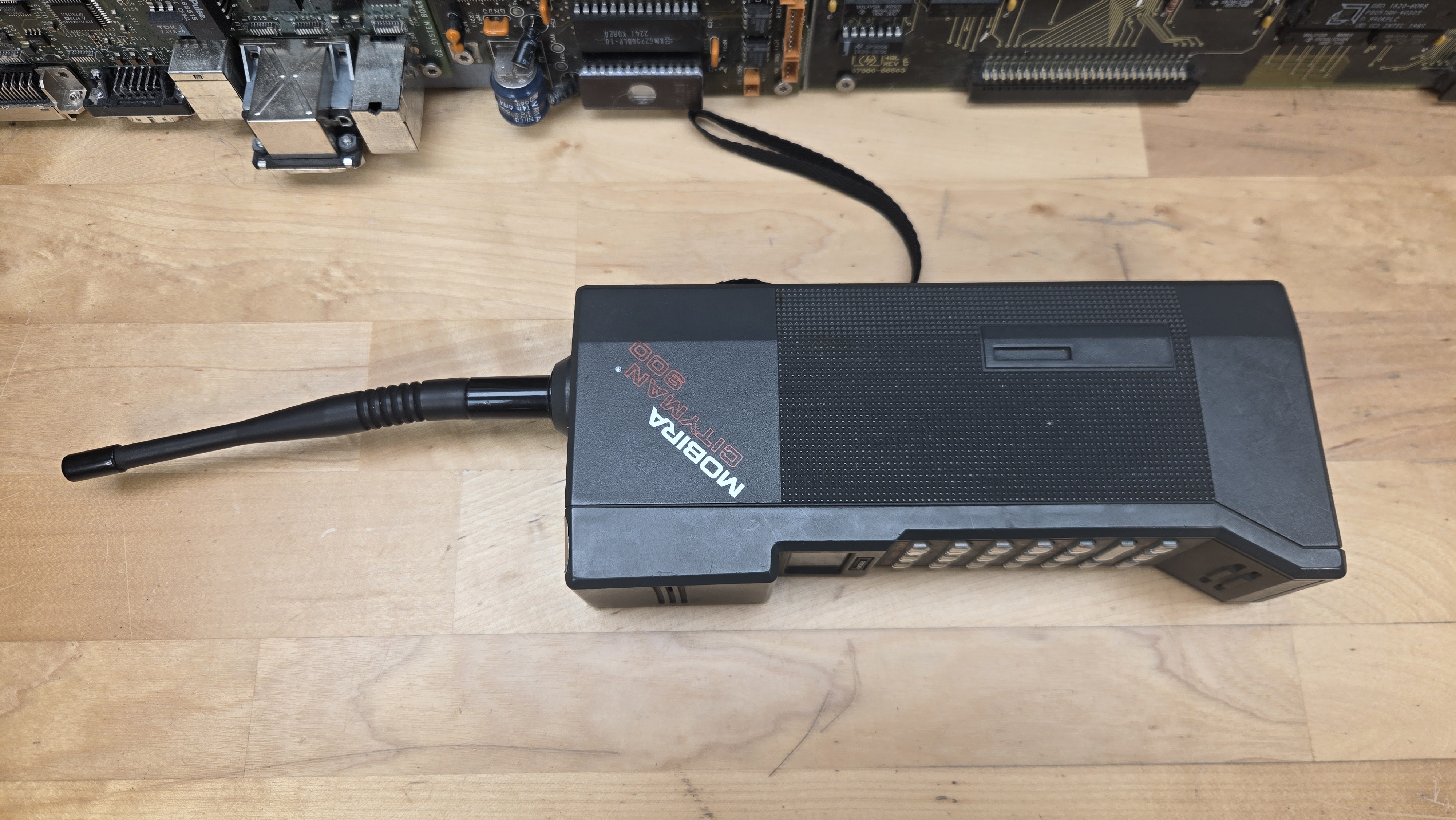
In Finland the phone was known as Gorba. A reference to the president of the Soviet Union Mikhail Gorbachev that used a Cityman 900 to make a call from Helsinki to Moscow to talk to Vladimir Glinka, Deputy Minister of Communications. The Cityman 900 is a great icon with a very distinct design, looking more like a walkie-talkie than a regular cell phone. It even got a hand strap so you wouldn’t drop your very expensive show-off gadget.
The Cityman 900 hasn’t any actual use today because the NMT network was closed down 1st of March 2002 in Denmark.
GALLERY
SPECIFICATIONS
| Manufacturer | Nokia-Mobira |
| Model | Cityman 900 CE61 |
| Form factor | Brick with external antenna and a carrying strap |
| Released | 1987 |
| Price | US$5,000 |
| CPU | – |
| RAM | – |
| Storage | Up to 99 contacts |
| Display | LCD 8 digits + symbols |
| OS | – |
| Dimensions | 185x79x43 mm (without antenna 139 mm) |
| Weight | 800 g |
| I/O ports | Proprietary 10 pin connector + antenna for charger or car mounting |
| Power | UL63 battery 9.6V 1000 mAh (missing) |
| Special features | First Nokia mobile cell phone for NMT-900 network |
| Condition | Good condition with signs of wear and scratches on sides and back. Untested no battery |
| Accessories | None |
| Serial ID | 17730 |
| To do | Test it by connecting external 9.6V to the internal battery terminals. |
PURCHASE
Like most of my great purchases this showed up somewhere on an online sales page without actively searching for it. I had to have it right away and got it fairly cheap. It came without any accessories like battery or charger but the condition was great. Some years later I searched for the earlier Mobira Talkman and found one very nearby in a neighboring town, but when I reached out to the seller it was unfortunately already sold.
RESTORATIONS AND MODIFICATION
After a brief cleaning I thought about removing two small stickers on the device, but decided to leave them on, since they contribute to the history of the device. The sticker on top is from P&T Telestyrelsen approving the device save to use on the NMT network. On the back is a sticker from a company called Kurt Ovi A/S. First I thought it was the company that owned the phone while in use. When I looked up the company name it was clear that it was from the distributor that sold the phone from new. The company started back in 1977 by installing radio phones permanently mounted in cars and trucks.
LINKS